
Get The Latest On Our Greatest
Subscribe to Our Company/Product Updates


Thursday, December 18, 2025
Did you know that residential fencing can impact a homeowner’s insurance policy? This makes choosing the right fence all the more important. Because insurers price premiums based on risk, a residential fence that provides staying power can indicate lower long-term exposure. A durable, weather-resistant residential fencing is less likely to fail during a storm, damage the home or create safety hazards on the property, events that often lead to insurance claims.
So, when homeowners ask, “Is fencing covered by homeowners’ insurance?” the answer is generally yes. But the fencing material plays a major role in how it is valued and how a carrier evaluates risk. Incredibly durable and noncombustible, steel fencing can help demonstrate lower risk to insurers, which may contribute to more favorable premium considerations.
The weatherability of steel fencing is key to durability
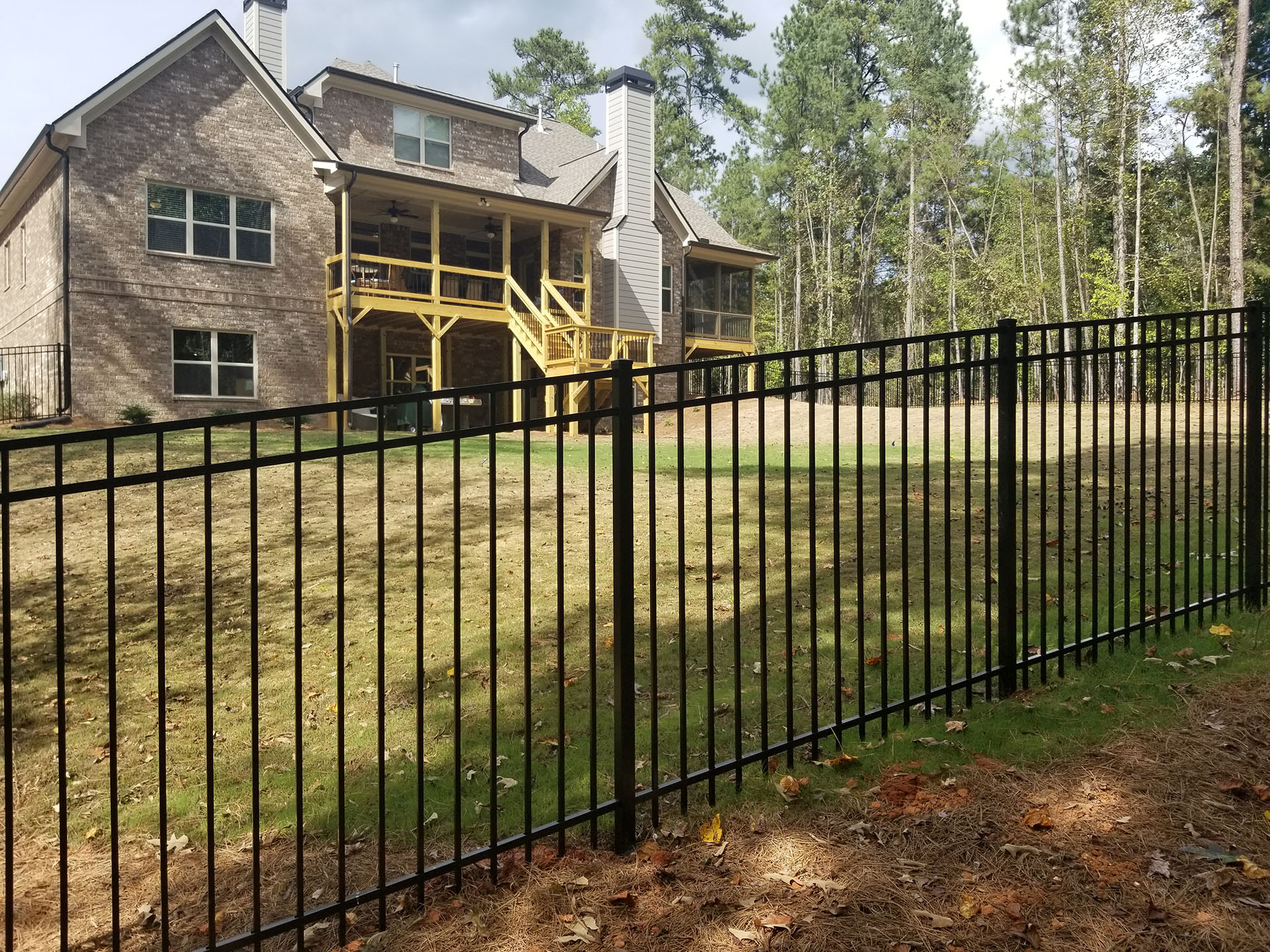
In most standard homeowners’ policies, residential fencing falls under “other structures,” or Coverage B, and is typically protected from sudden events like fire, wind or storm damage. However, deterioration from age, wear and tear or poor maintenance isn’t covered, which is why long-term durability matters. Steel fencing delivers that durability: it won’t rot, warp or deteriorate when exposed to moisture like an old-school wood fence. Because it stands strong year after year, steel fencing is less likely to be flagged as a safety concern and less likely to contribute to accidents or property damage. These are factors that insurers consider when assessing coverage and premiums.
Noncombustible steel fencing offers critical fire-resistance
It’s also worth noting that due to the growing threat of wildfires, homeowners’ insurance policies now treat residential fencing differently. The Insurance Institute for Business & Home Safety (IBHS) now recommends using noncombustible materials within 0–5 feet of a home. Since residential fencing often falls within this critical zone, the building material choice can directly influence how insurers assess wildfire risk and set premiums today.
Fire-retardant treated (FRT) wood is often marketed as a fire-safe option and does meet building codes for fire-hardened construction. But still, it is a combustible material by nature. Even when FRT wood resists ignition, flames can travel along panels and reach a home in seconds, posing a serious threat to property and human life. Adding to the concern, dual-treated wood can only be certified as either fire-retardant or preservative-treated: not both. Without third-party certification confirming that the wood is fully fire-resilient and weather-resistant, insurers may view wood fencing as prone to failure. This perceived risk increases the likelihood of claims, which can directly affect coverage options and premiums.
On the other hand, steel fencing is a noncombustible, ignition- and fire-resistant solution, making it a dependable and code-compliant solution for outdoor home improvement projects. Beyond the clear safety benefits, homeowners who choose steel fencing may also see a payoff when it comes to insurance. Lower risk of fire damage can translate into more favorable coverage or premiums, providing both protection and long-term value.
Rackable fencing helps eliminate safety concerns
Another factor that can potentially influence insurance assessments is residential fencing that doesn’t sit evenly along the property line. Gaps at the bottom of the fence, which might occur on sloped or uneven ground, can raise safety concerns for pets and children.
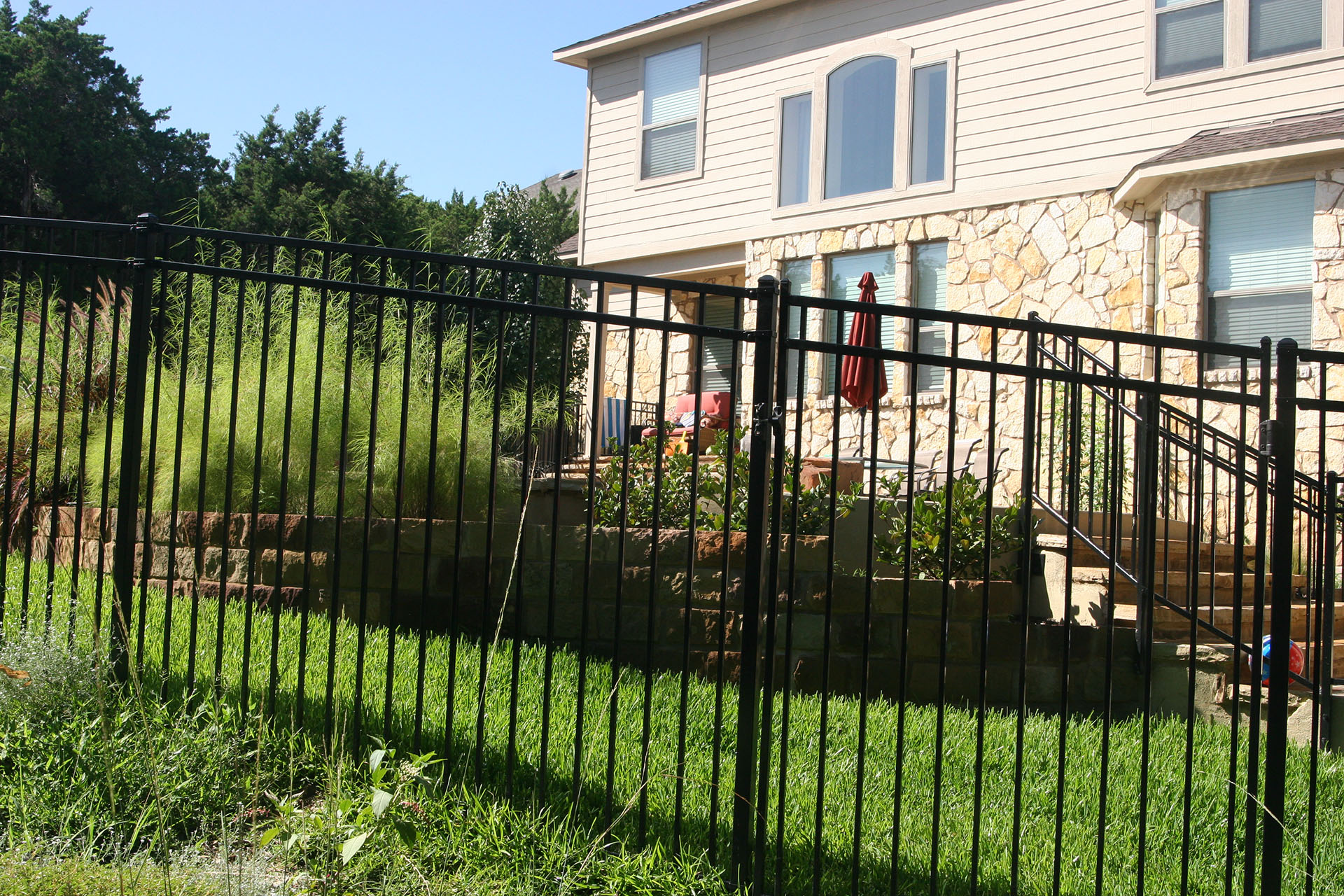
Rackable steel fencing from Fortress Building Products addresses these concerns head-on. In addition to being weather-resistant and noncombustible, a rackable steel fence can accommodate changes in grade so its top and bottom rails remain even. Because the panels move without metal-on-metal pressure, there’s no risk of metal fatigue or damage to the powder coat. This long-term reliability reduces hazards and potential damage, helping demonstrate lower risk to insurers and potentially supporting more favorable coverage or premiums.
Protect your property and potentially lower insurance premiums with residential steel fencing Fortress Building Products, which is built for long-term durability and resilience.
Search
