
Get The Latest On Our Greatest
Subscribe to Our Company/Product Updates


Thursday, April 23, 2026
Before refrigerators existed, people kept food cold with an icebox. You might not even know what one looks like. Picture a wooden cabinet, lined with tin or zinc, hollow walls packed with insulation, and a big block of ice sitting in a compartment up top. As the ice melted, cool air drifted down to the shelves below. Produce and dairy stayed fresh. It worked. Sort of.
It worked as long as you planned ahead. As long as you dealt with the meltwater. As long as you accepted that the icebox temperature fluctuated depending on the weather, the season, and whether the ice delivery showed up on time. For its era, the icebox was genuinely impressive. It was the best available solution to a real problem. And then the refrigerator came along, and the icebox became a curiosity.
Wood deck framing is the icebox
Wood is a natural material. It responds to its environment, swelling with moisture, shrinking in heat, and drifting out of square as conditions change. You design around those behaviors and have to inspect the wood deck frame constantly.
Steel deck framing is the refrigerator
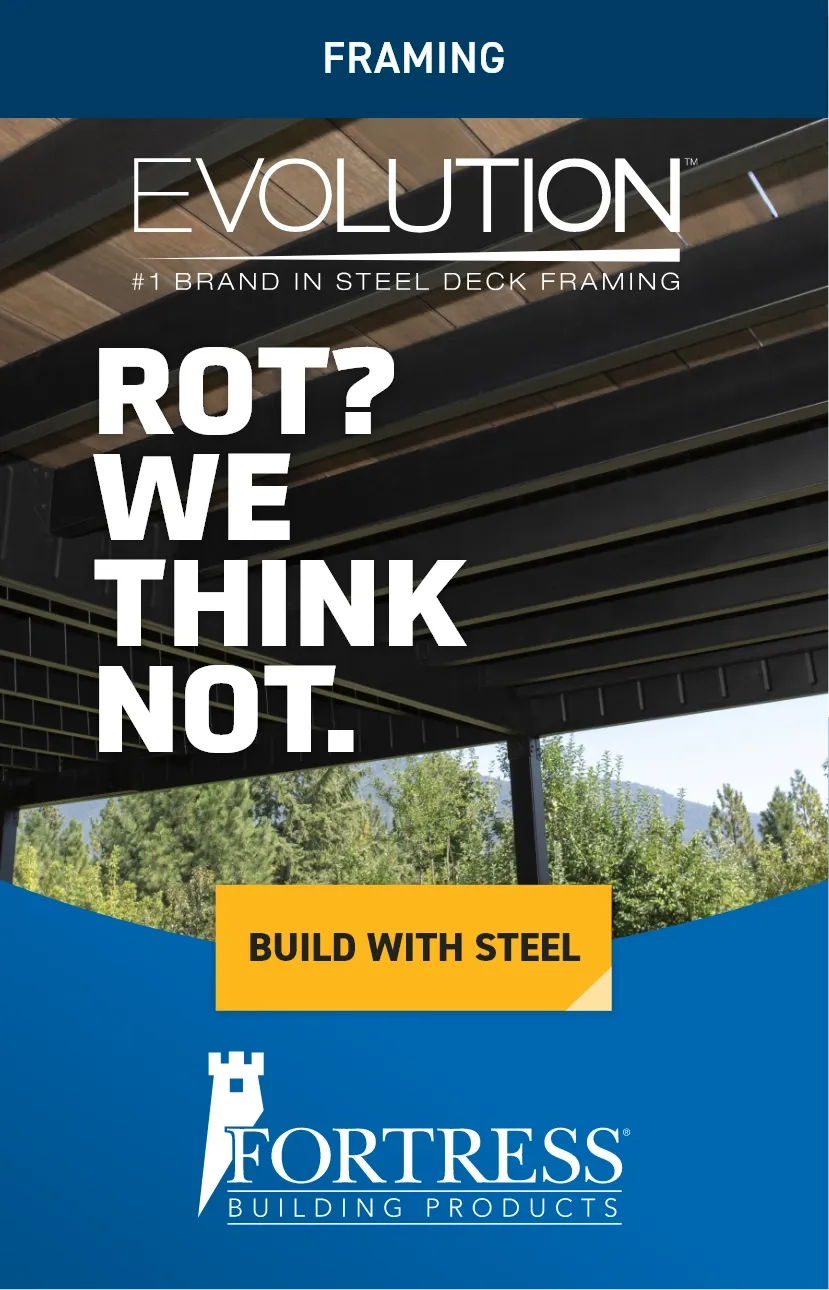
A durable deck framing material, steel doesn't absorb moisture. It doesn't warp. It doesn't slowly drift out of tolerance as the seasons change. You set your specs, and those specs hold day after day, regardless of what the environment decides to throw at your job site.
Here's another way to think about it. You can cook a meal on a stove. People have done it forever. It works fine, and it's familiar. You stack the kindling, strike the match, babysit the flame, and walk through a hundred small steps you don't even have to think about anymore. There's nothing wrong with it. And then the oven came along, and the stove became a curiosity.
Wood deck framing is the stove
Wood deck framing is the stove in this story because wood reacts to everything, including humidity, heat, the season, and the region. It swells, it shrinks, and it twists. You account for it on day one and keep accounting for it from there.
Steel deck framing is the oven
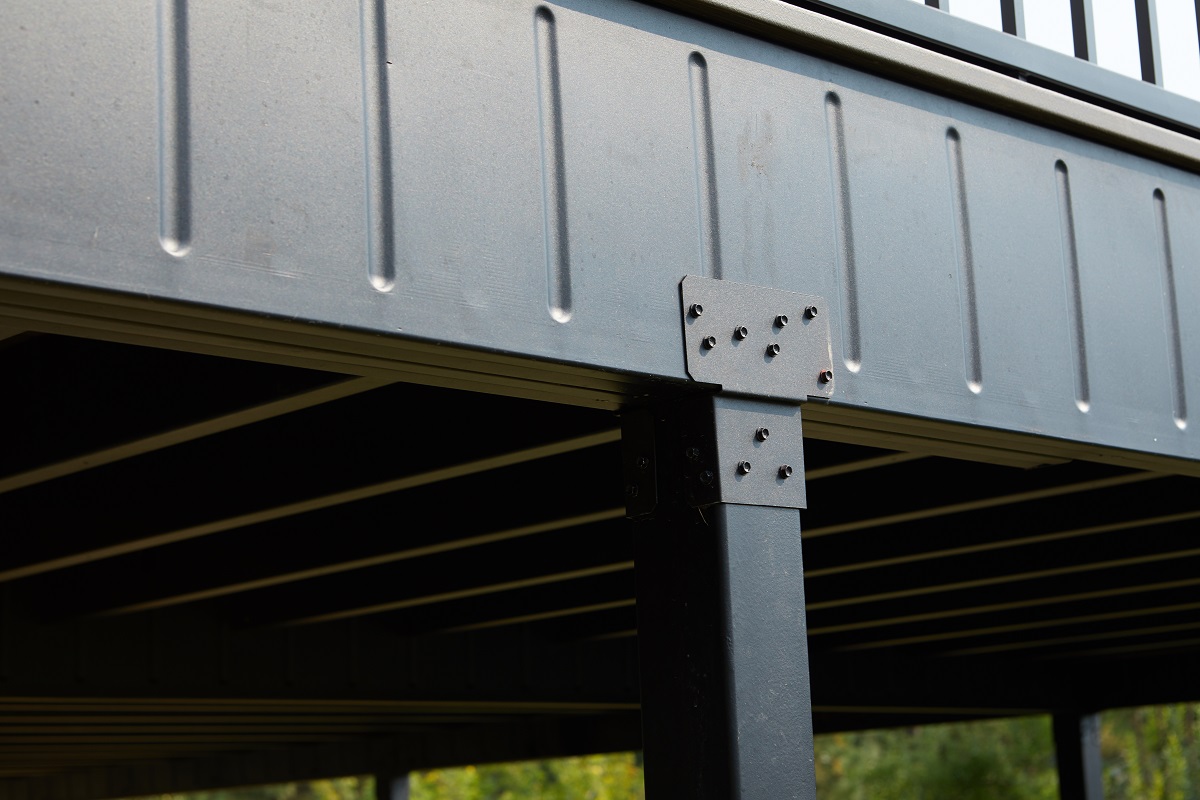
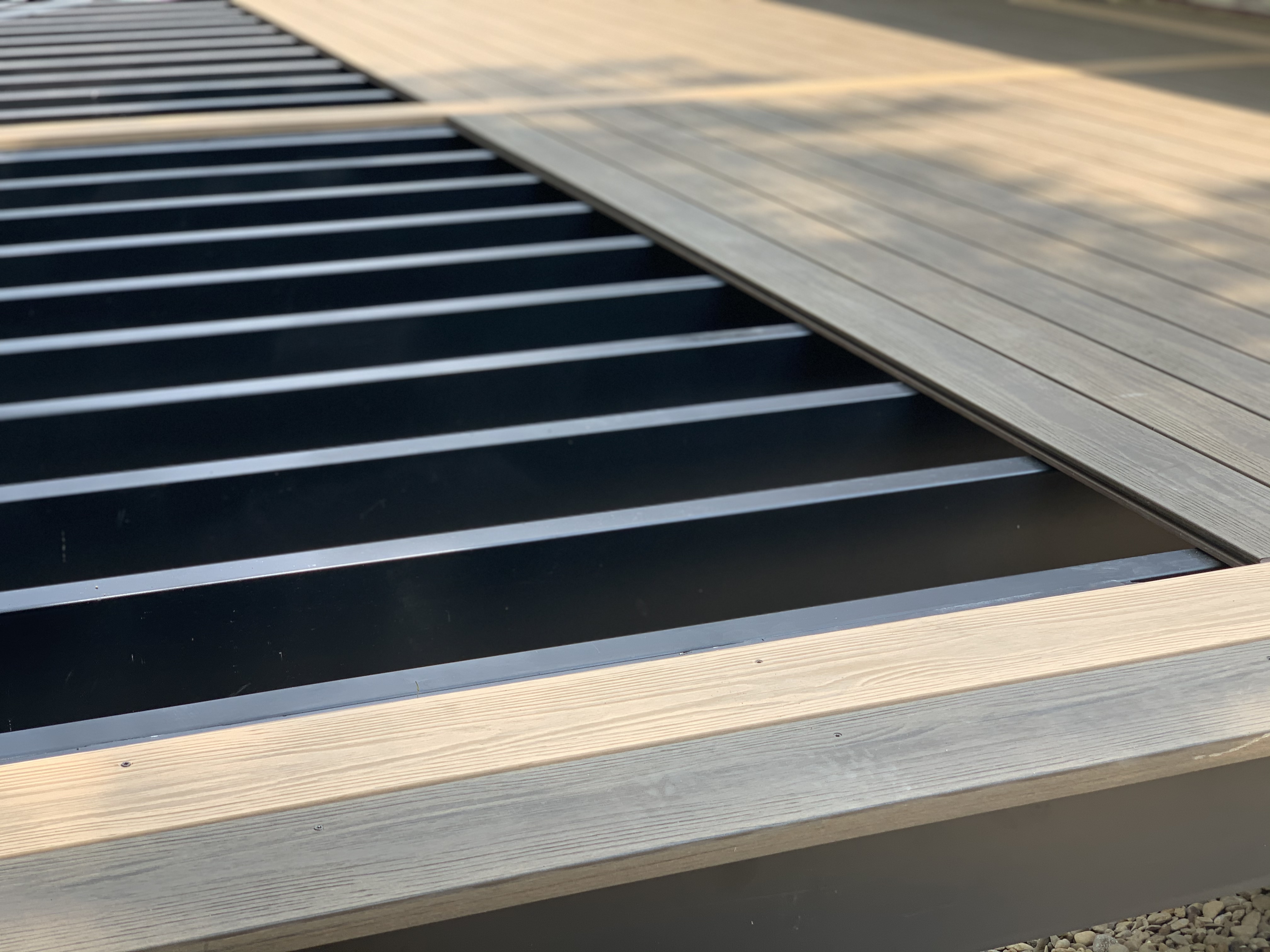
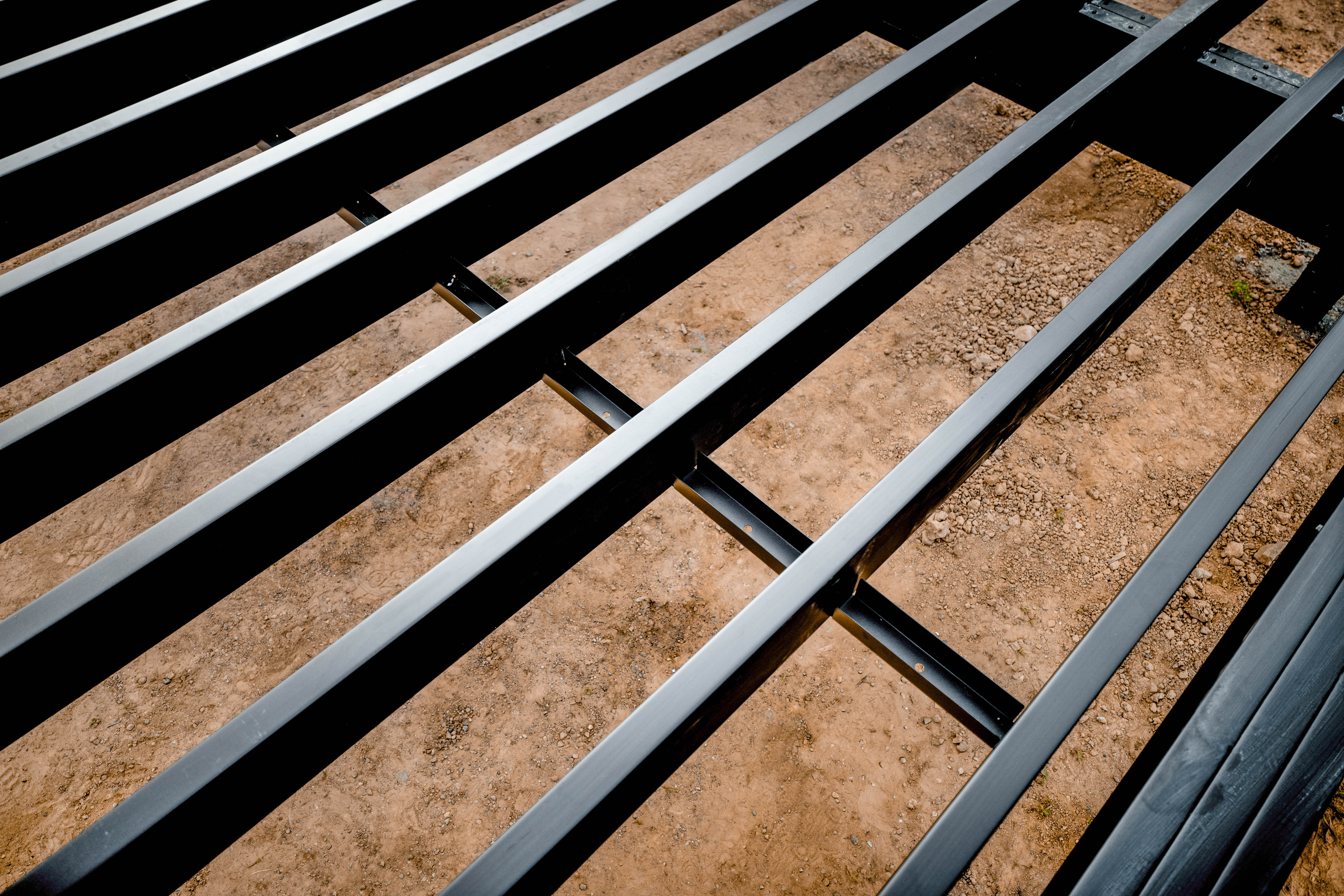
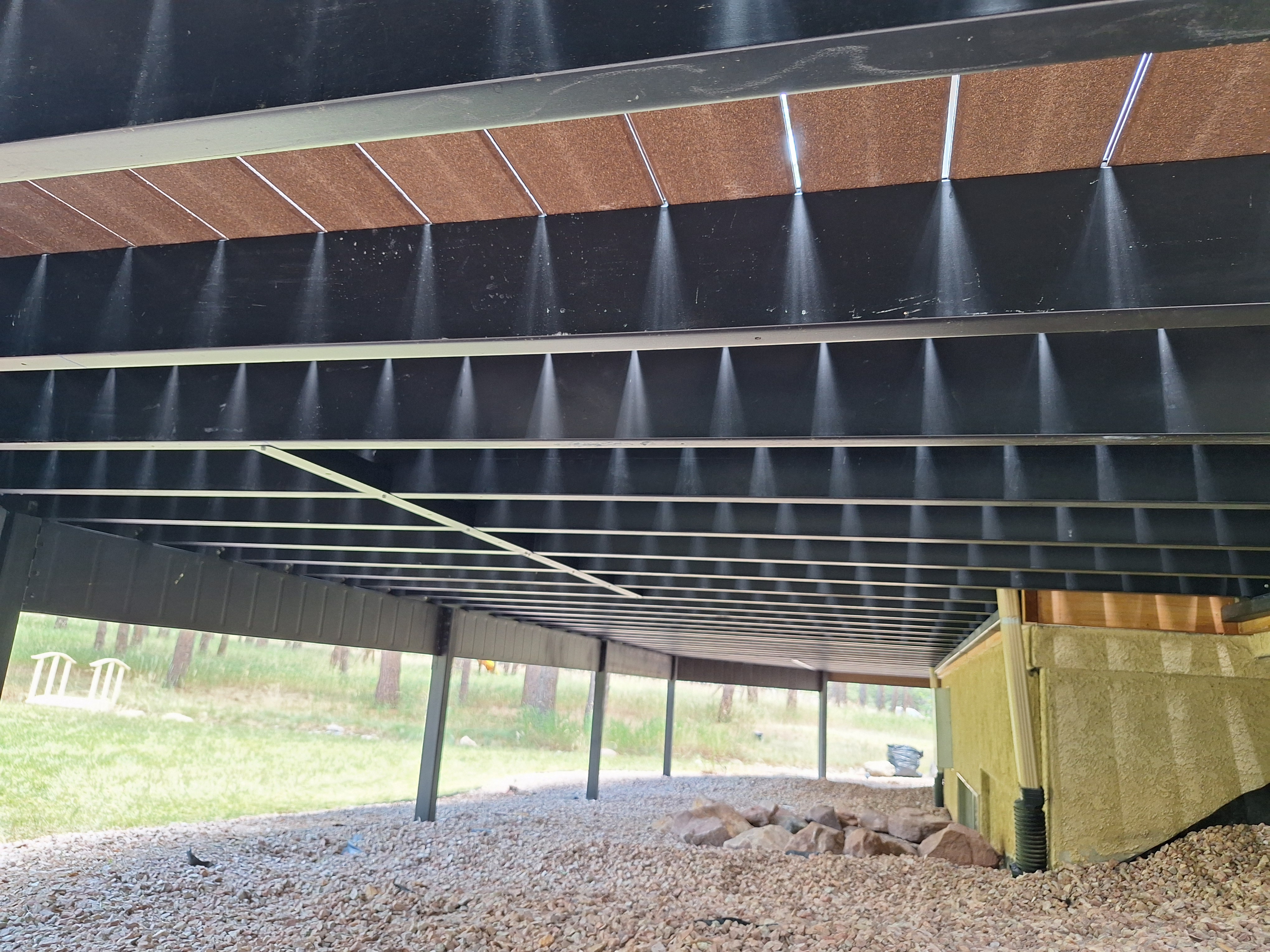
On the other hand, the oven applies energy precisely, evenly, and immediately. No guesswork. No warping heat. A steel deck framing system, like Evolution Framing, works the same way. Straight off the truck, the steel components are already straight and dimensionally stable and resistant to the things that slow projects down: moisture, rot and warping. You're not fighting the material.
We hear it sometimes from contractors who love wood: "I like working with it better. It's how I learned." And honestly? That's fair. There's craft in knowing wood. There's satisfaction in understanding how a material behaves and building with it.
But the icebox made sense when electricity was rare. Wood deck framing made sense when forests were endless and fire risk wasn't measured in neighborhoods. The refrigerator didn't make food less real. Just like Evolution Steel Framing doesn't make deck building less authentic. It just makes the outcome predictable, cleaner, and far less dependent on what the environment decides to do next.
To break away from tradition and build with steel, reach out to your local Fortress Building Products rep or check out our Where to Buy page to locate a dealer near you.
Search
